


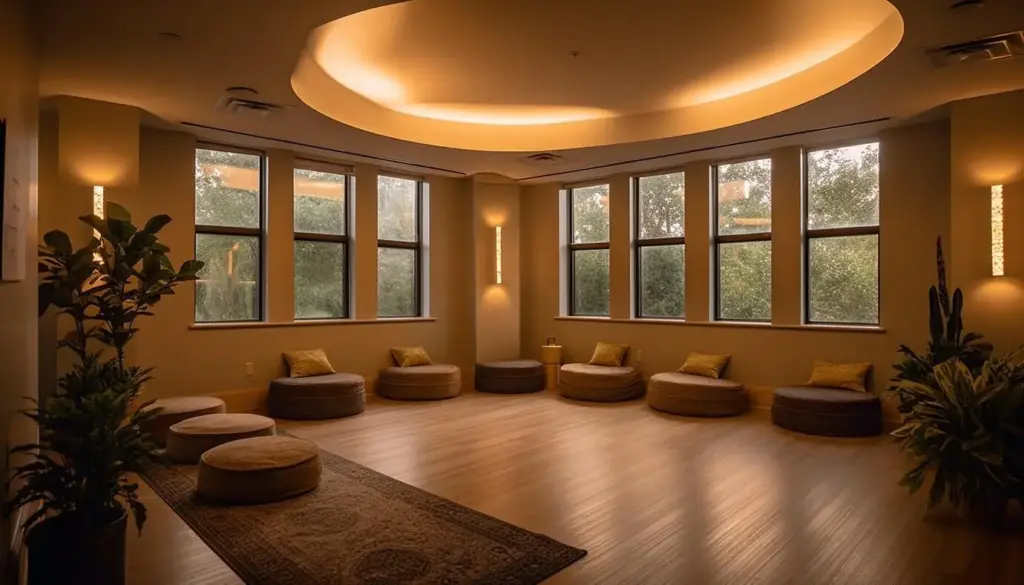




Bring Hotel-Quiet Calm Home

Welcome to a practical, inspiration-rich guide to achieving hotel-grade hush indoors. Today we dive into soundproofing strategies that blend building science, clever materials, and human habits. Follow along, ask questions in the comments, and share your results so others can learn from your journey.

Quiet Starts with Knowing Your Noise

Before swinging hammers, understand what you’re hearing. Airborne voices and traffic differ from impact footsteps and appliance vibration, and each responds to different techniques. We’ll decode decibels, frequencies, reverberation, and practical hotel-grade targets, giving you confidence to prioritize fixes that deliver meaningful, measurable calm.

Seal the Leaks: Doors, Windows, and Frames

Doors Done Right: Solid Cores, Sweeps, and Gaskets

A solid-core slab stops more chatter than a hollow door, especially paired with perimeter gaskets and an automatic drop sweep. Replace flimsy jambs, add tight thresholds, and latch snugly. The satisfying click you hear is also measurable decibels saved every day.

Quiet Glass: Laminated Panes and Secondary Inserts

Laminated glass sandwiches a viscoelastic layer between panes, damping vibrations that ordinary double glazing passes along. If replacement is impossible, consider magnetic or track-mounted interior inserts. Seal the perimeter with quality backer rod and caulk to block sneaky whistling air paths.

Tiny Gaps, Big Gains: Frames, Thresholds, and Caulk

Frames and casings often hide the real culprits: uneven shims, missing foam, and hairline cracks that leak sound like drafts. Pull trim, backfill with low-expansion foam, then finish with acoustic caulk. Careful, continuous lines of sealant deliver outsized acoustic dividends.

Walls and Ceilings that Actually Isolate

{{SECTION_SUBTITLE}}

Add Mass and Damping: Double Drywall with Green Glue

Two layers of dense drywall sandwiching viscoelastic compound dramatically reduce mid to high frequency transmission. The goo never fully cures, keeping tiny shear movements dissipated. Stagger seams, glue generously, and screw carefully. Expect measurable drops that you can hear instantly after installation.

Decouple Smartly: Resilient Channel and Isolation Clips

Resilient channel and isolation clips create a springy break between studs and drywall, cutting structure-borne paths. Install precisely: wrong screw lengths or misplaced fasteners short-circuit performance. Combine with insulation and damping for a layered defense that feels sophisticated yet stays achievable for skilled DIYers.

Floors Without Footsteps

Impact noise often ruins otherwise quiet homes. Think footsteps, dropped toys, sliding chairs, and subwoofer energy coupling into framing. The cure is cushioning and separation. Build layers that absorb and decouple while protecting finishes, creating a soft, dignified hush under every stride.

Measure, Test, and Tune

What gets measured improves. Establish a baseline with simple tools, then verify every change so effort isn’t wasted. Short tests reveal leaks and flanking shortcuts fast, while long-term logs prove comfort gains across weekdays, weekends, and memorable, quiet mornings with coffee.

Phone Apps and Pink Noise: Baseline Your Space

Use a phone spectrum app, pink noise, and controlled claps to visualize reflections and weak frequencies. Record day and night. Tag location photos. You will quickly see patterns, prioritize fixes, and celebrate measurable drops, sharing your graphs with our community for feedback.

Sound Maps Reveal Leaks: Trace, Seal, Re-test

Walk room edges with a candle or incense to spot drafts that also carry sound. Press a stethoscope or tubing to suspect trim and listen for buzz. Seal, retest, and document. Each closed path means calmer calls, deeper sleep, and kinder mornings.

Know When to Call Pros: Consultants and Contractors

When complex flanking or complicated structures resist progress, an acoustical consultant can model assemblies, propose fixes, and coordinate contractors. Their fee often prevents expensive missteps. Ask questions here first, then interview candidates, and choose partners who respect measurement, craftsmanship, and your household’s routines.

Real-World Transformations

Nothing convinces like lived experience. These snapshots of ordinary homes show what’s possible with patience, intention, and smart choices. Borrow ideas, adapt to your construction, and tell us how your project evolves so others can build peace faster and avoid mistakes.

Street-Facing Home Office Becomes a Calm Workspace

Swapping a hollow door, sealing the window frame, and adding a small secondary pane cut traffic chatter dramatically. A desktop absorber and rug then tamed echoes, making calls feel intimate. The owner now schedules podcasts confidently, and neighbors stopped overhearing sensitive meetings.

A Nursery Beneath a Creaky Loft Finds Nighttime Peace

A tired upstairs floor hammered every night. Underlayment and a floating finish helped, but downstairs added clips, channels, and double drywall with damping. Together they transformed sleep for new parents, who now share nap schedules and tips with grateful, newly quiet neighbors.

Echoey Studio Apartment Gains Warm, Intimate Quiet

A reflective, sparsely furnished studio amplified street noise and footsteps. Curtains, bookshelves, and a plush rug cut ring dramatically. Later, window inserts and a door sweep sealed the perimeter. The tenant now writes nightly, invites friends, and recommends simple upgrades to everyone.
Mexafaluruxavunexezivi
Privacy Overview

This website uses cookies so that we can provide you with the best user experience possible. Cookie information is stored in your browser and performs functions such as recognising you when you return to our website and helping our team to understand which sections of the website you find most interesting and useful.